Accessibility · EdTech · Inclusive Design
Designing inclusive education for every learner — an accessible learning platform for neurodivergent students in India. Published on Cal Poly's Digital Commons and featured in TAGA Journal.
Introduction
In India, millions of children with learning disabilities such as dyslexia, ADHD, and autism face barriers to quality education. Limited awareness, inaccessible teaching tools, and the stigma surrounding neurodiversity contribute to an exclusionary learning environment.
Saksham, meaning "capable" in Hindi, is my personal UX project that explores how digital design can make education more inclusive, accessible, and empowering for neurodivergent students. What began as a passion project became a deeper research initiative — eventually published on Cal Poly's Digital Commons and now set to be featured in the TAGA Journal, recognizing its contribution to inclusive design in education technology.
Problem Statement
Children with learning disabilities in India often lack access to tools that support their specific needs. Schools rarely integrate assistive technologies, and most educational apps are not designed for cognitive diversity.
The challenge was clear: design an educational experience that adapts to each learner's cognitive style, while promoting independence and confidence.
Research
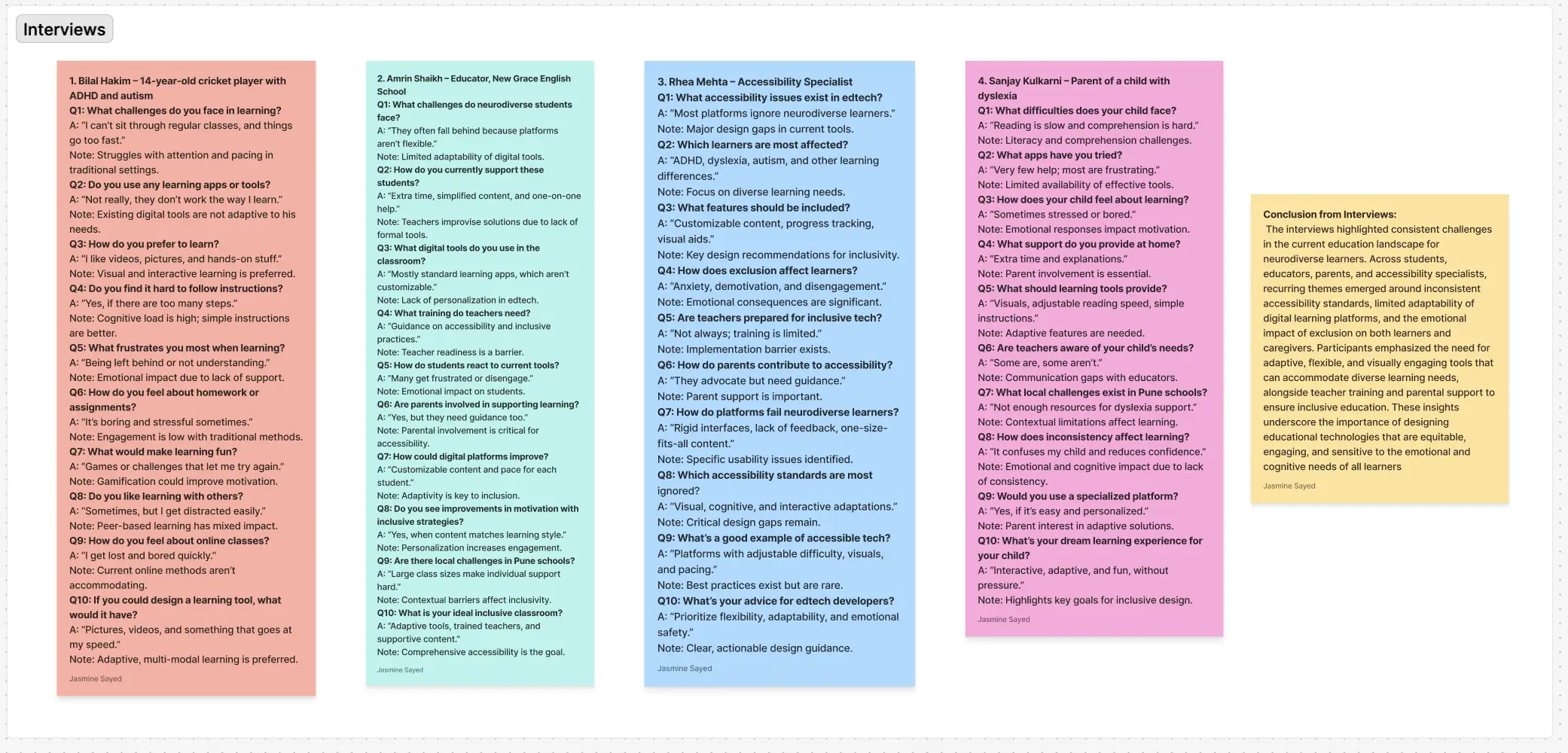
My research began with qualitative interviews and a literature review focusing on accessibility and inclusive design in education. Key insights were derived from educators, parents, and accessibility experts. I also conducted a comparative analysis of existing edtech tools to understand gaps in accessibility features.
I created personas based on real interviews to ground every design decision in human experience.
"Reading feels impossible sometimes. The words blur together, and I can't keep up with everyone else. I wish learning could work the way my brain does."
"I want to support every student, but I have 40 kids and no tools designed for differentiated instruction. I'm constantly improvising."
This research culminated in my paper, "Designing for Neurodiversity: Accessibility in Educational Technology for India's Future Learners," published through Cal Poly's Digital Commons and set to appear in the TAGA Journal. The publication emphasizes design ethics, human-centered research, and practical design interventions for neurodiverse students.
Key Insights
Design Process
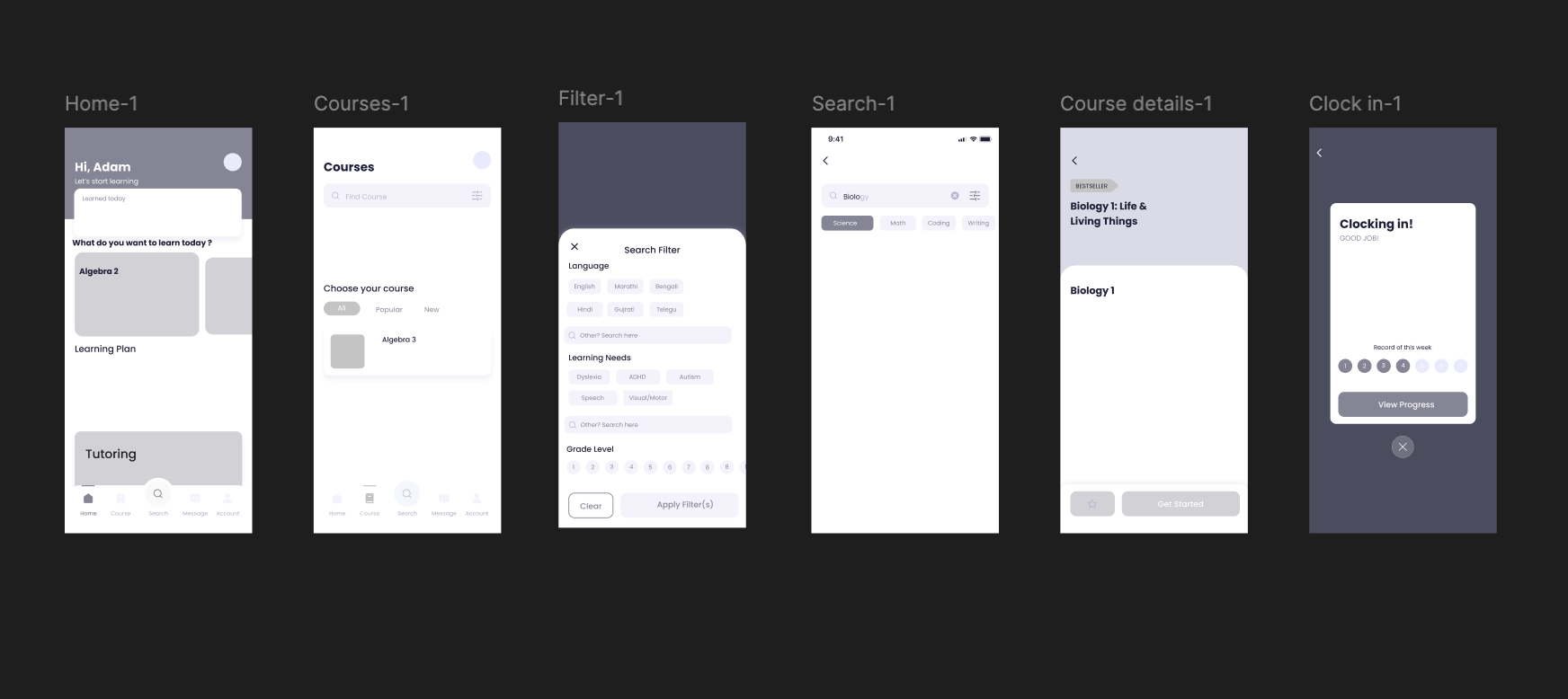
I followed a human-centered design process — empathizing deeply with users, defining clear goals, ideating broadly, prototyping in Figma, and testing with real educators and parents.
Solution
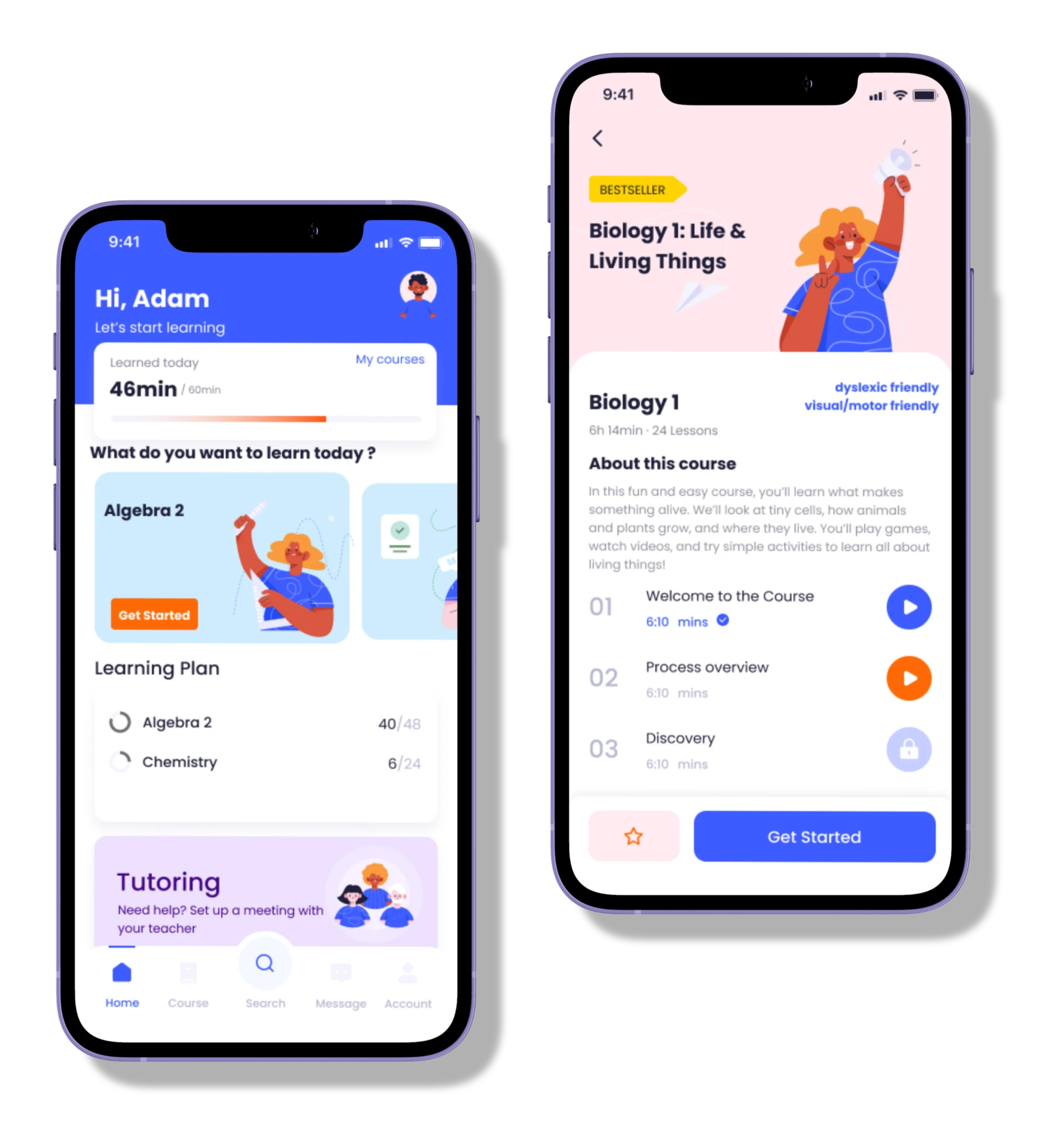
Saksham delivers a personalized learning ecosystem where students can engage with lessons at their own pace through audio, visuals, and interactive exercises. The interface adapts to each learner's needs — creating an environment that promotes comfort, confidence, and curiosity.
Impact
Saksham's impact extends beyond design — it has contributed to meaningful conversations about inclusive education in India and earned recognition in academic publishing.
Reflection & Next Steps
Saksham taught me that designing for neurodiversity requires empathy, iteration, and the willingness to challenge assumptions about "standard" users. It also reinforced my belief that inclusive design doesn't just serve a niche — it makes experiences better for everyone.
What began as a personal passion project evolved into published research and a design framework that can be applied at scale. The journey from curiosity to publication was one of the most meaningful experiences of my design career — and it's only the beginning.