Nox+
Created a secure access platform to provide a universal, simplified identity verification and authentication experience for users.
INTRODUCTION
How can we simplify identity verification for college students?
Nox+ is a streamlined, secure access solution designed to simplify identity verification and authentication globally. The platform balances robust security with an intuitive, user-friendly interface, enabling seamless and trustworthy access management across applications.
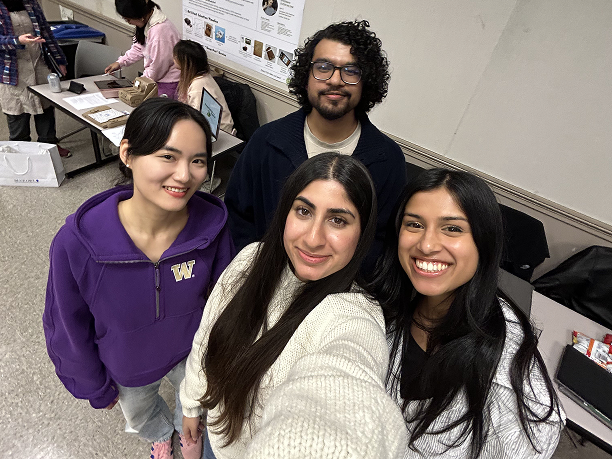
As a project at the University of Washington, I lead design and research efforts, collaborating closely with researchers and other designers to identify usability gaps, optimize workflows, and deliver an accessible, secure user experience. The concepts we explored in this project were later adapted in similar form by Apple.
PROBLEM IDENTIFICATION
PROBLEM BACKGROUND
USER RESEARCH
Survey
Key findings from full sample, n=96:
34%
Semi-structured Interviews
Contextual Inquiries
KEY INSIGHTS
My Role
Product Designer & Project Lead
Team
1 project lead, 1 UX researcher, 2 product designers
Timeline
September 2025 – December 2025
Tools
Figma, Illustrator, Qualitrics
Setting the Scene
Meet Pam. She’s a graduate student verifying her identity for yet another university system. Before uploading her documents, she hesitates, unsure where her data will go or who can access it.
For students like Pam, identity verification is fragmented and unclear. Multiple logins, inconsistent requirements, and vague privacy policies create stress and erode trust. Without transparency and strong security signals, users feel exposed rather than protected.
Pam’s experience reflects a broader issue: current verification systems fail to provide both usability and reassurance.

Students face challenges with identity verification due to inefficiencies and privacy risks every day.
Students struggle with inefficient identity verification processes and ongoing privacy concerns. Navigating multiple platforms often requires repeatedly submitting sensitive personal information, leading to frustration, wasted time, and increased anxiety about data security.
To address these challenges, there is a need for a unified identity verification system that simplifies authentication while prioritizing privacy and trust. By providing a secure, streamlined platform with both digital and physical verification options, Nox+ empowers students to manage their identity efficiently, reduce cognitive load, and maintain greater control over their personal data
Let’s dive deeper into the data.
We created a 21-question survey to understand how students manage identity verification, which documents they use, and where they store them. It also captured challenges they face, their confidence in data security, and whether they or someone they know had experienced a data leak, scam, or identity theft.
of respondents were unsure which documents were required.
64%
of respondents have personally or know someone who has experienced identity theft related to verification.
FINAL DESIGNS
Key Features
57%
of respondents experienced frequent upload errors when verifying their identity.
From our survey, we focused on students who have experienced or know someone affected by a data leak. We conducted 4 semi-structured interviews with participants (n=16) to explore the emotional impact of breaches and strategies for protecting personal information. These conversations provided deeper insight into how past experiences shape trust in verification systems and uncovered behavioral patterns that surveys alone could not reveal.
We conducted 2 contextual inquiries with focus group participants, observing how they secure identity documents on Google Drive and protect online accounts through Duo Security.
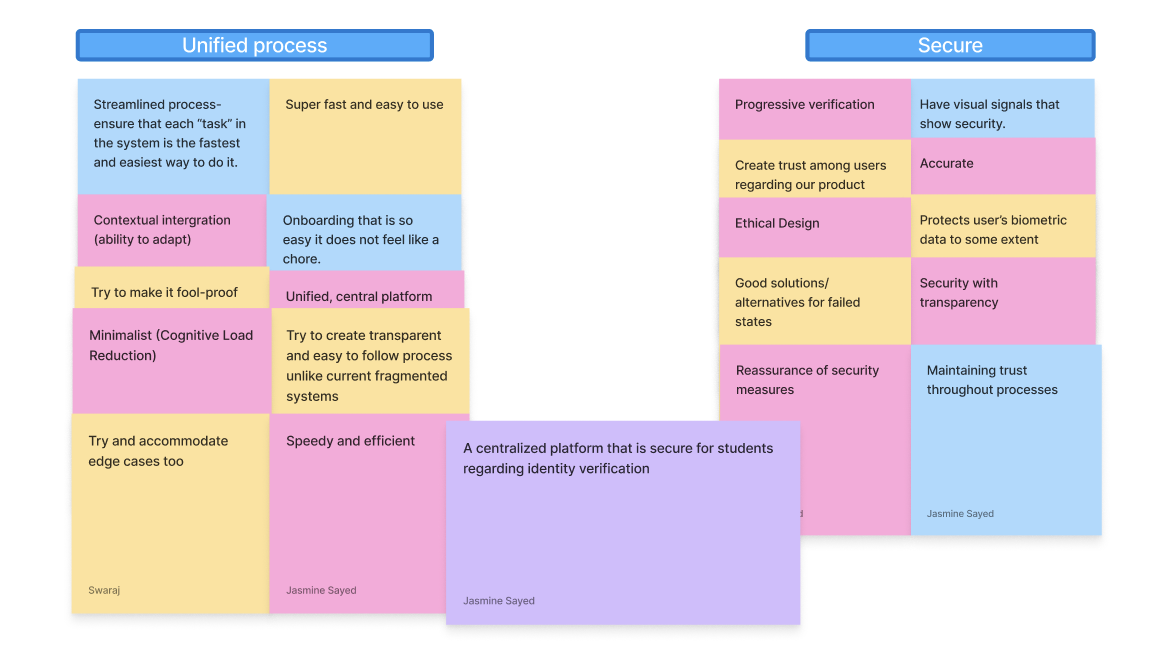
After conducting the survey, 4 semi structured interviews, and 2 contextual inquiries, we concluded 2 key insights:
SOLUTION
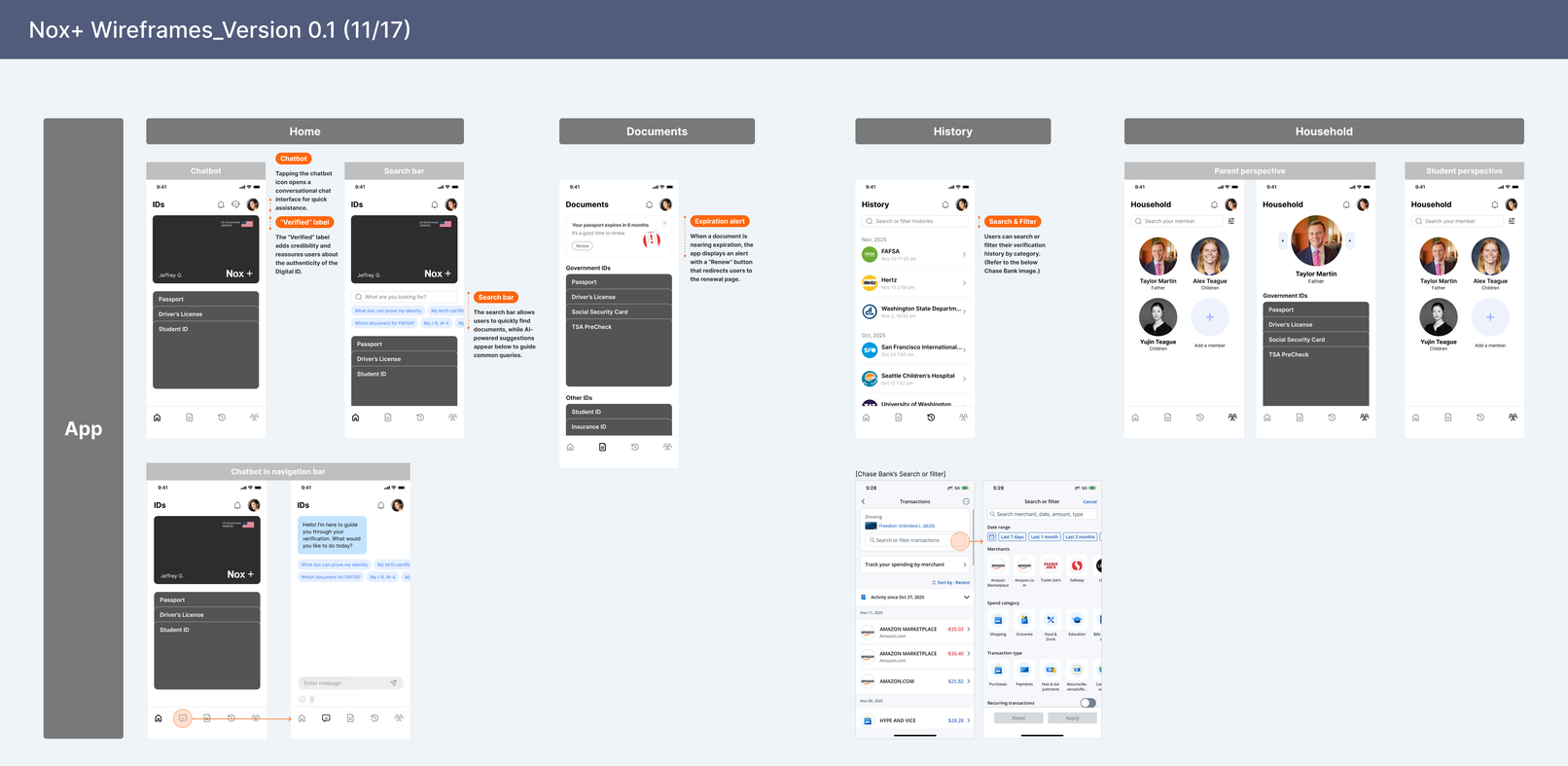
I designed this detailed sketch to explore features and layout
DESIGN PROCESS
Users want:
A unified process: Students want a single, consistent verification system across institutions that feels simple, intuitive, and smooth. They emphasized clearer steps, fewer repeated errors, and an experience similar to Duo Security, where verification is quick and easy
Security: Students also want visible and reassuring security cues, such as lock icons or clear confirmation messages, along with transparency about how their data is protected. They need to feel informed, in control, and confident that their information will not be exposed.
Introducing… Nox+
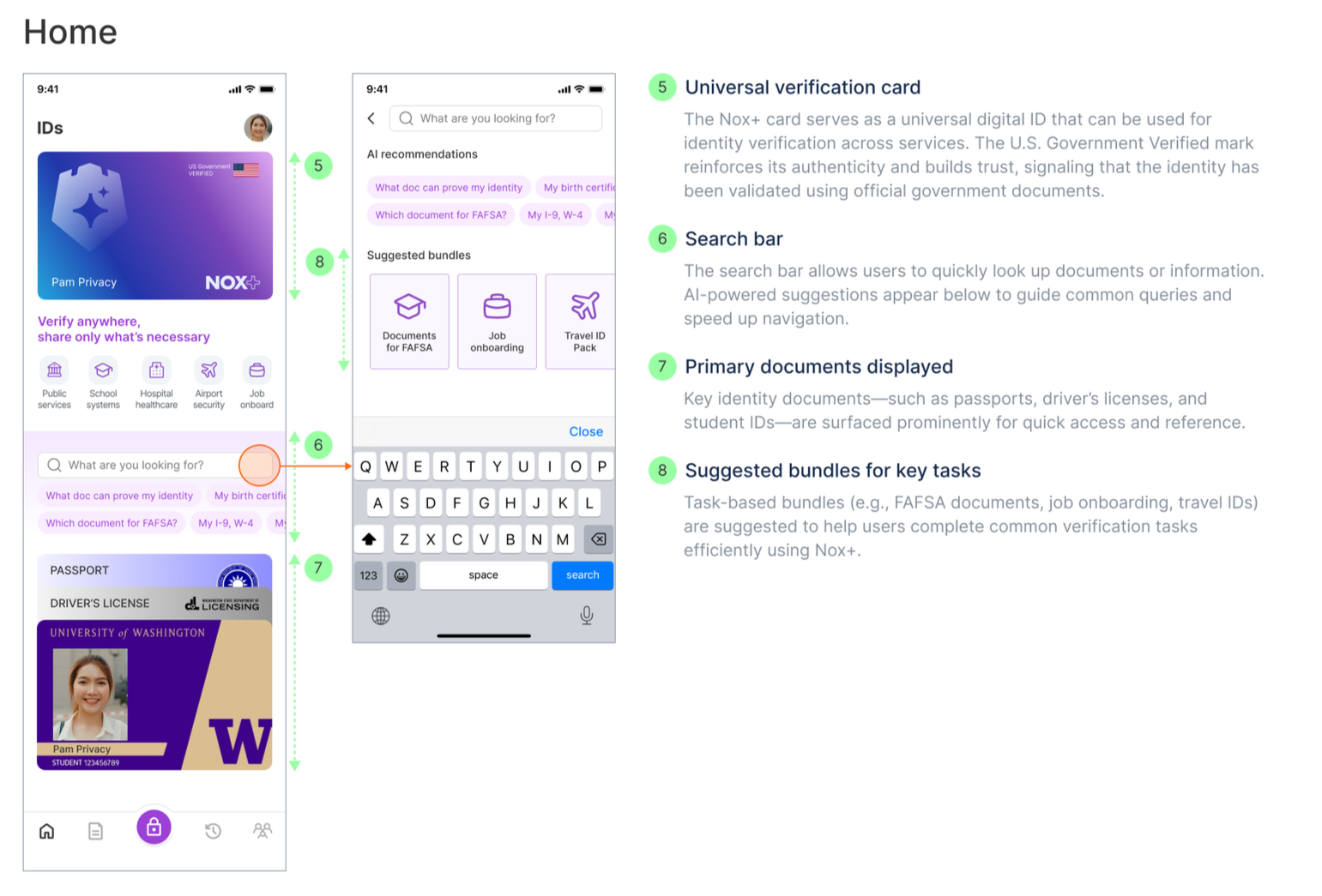
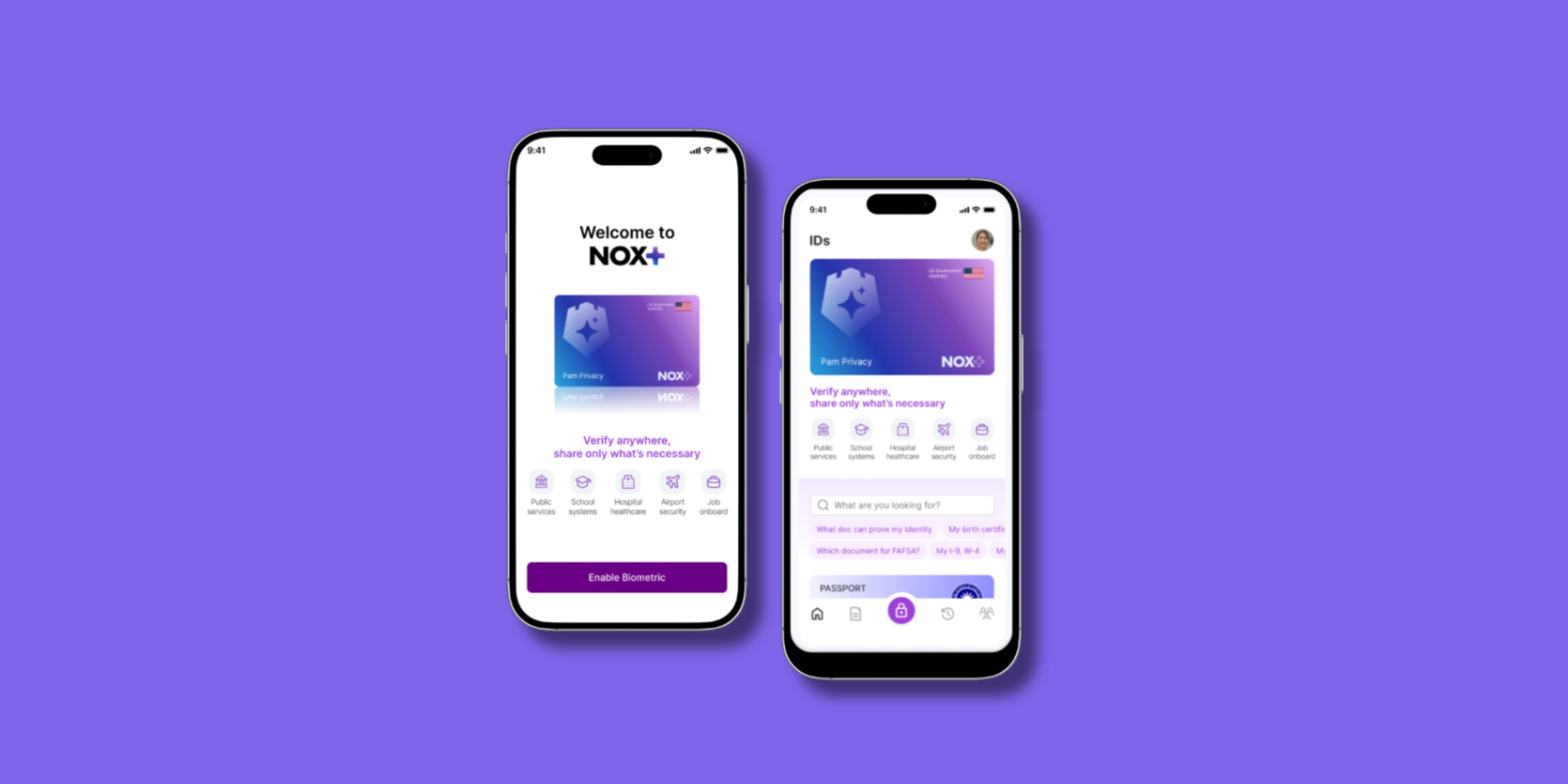
Nox+ is a digital identity management app that streamlines personal verification, giving users control, transparency, and security over their information.
Key features include:
Onboarding & Biometric Verification: Quickly set up and verify identity using secure biometric authentication.
Document Management: Store identity documents with automated expiration alerts.
Universal Nox+ Card: Seamlessly verify identity online and offline.
Data Transparency Panels: See exactly what information is shared and with whom.
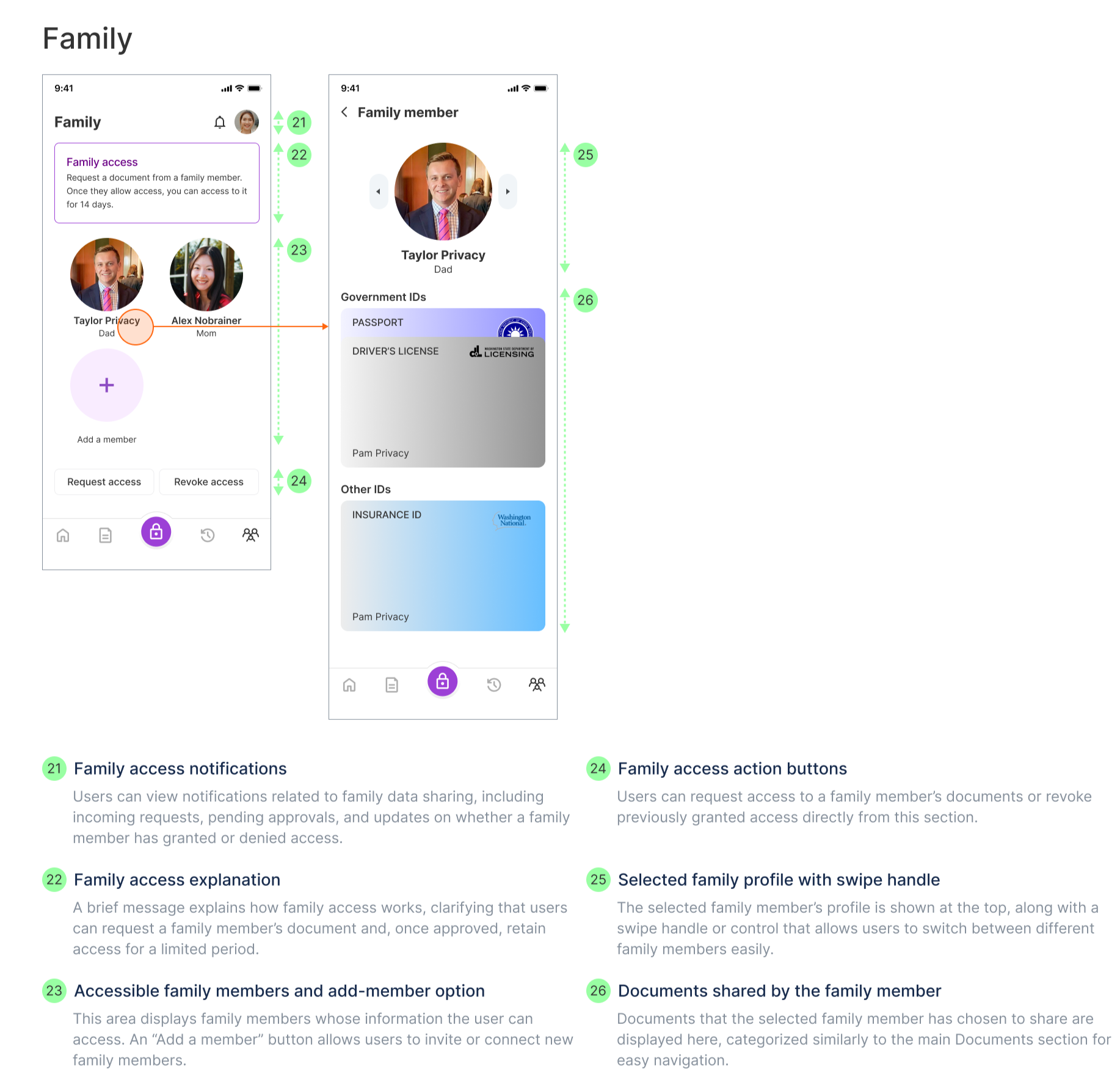
Family Access Controls: Grant or revoke access to family members with ease.
AI-Powered Guidance: Use intelligent search to find required documents and verification steps.
IDEATION

Creating the blueprint for the designs
Started transforming concepts into tangible ideas, exploring features, refining layouts, and iterating through sketches.

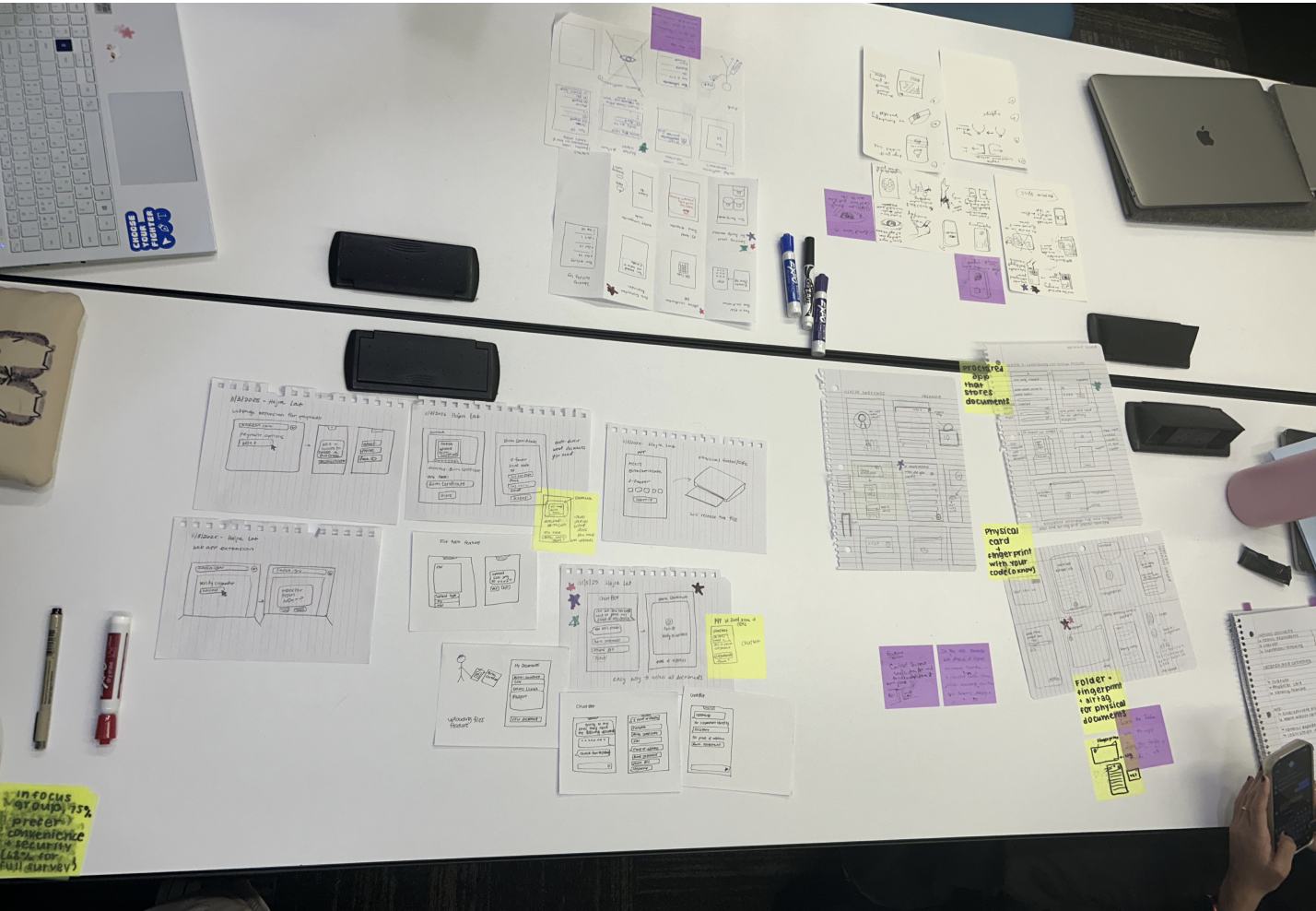
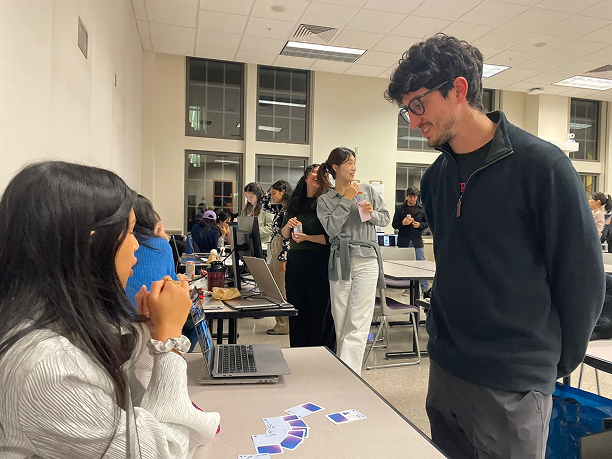
Team brainstorming session reviewing iterations and sketches
Bringing the idea to life
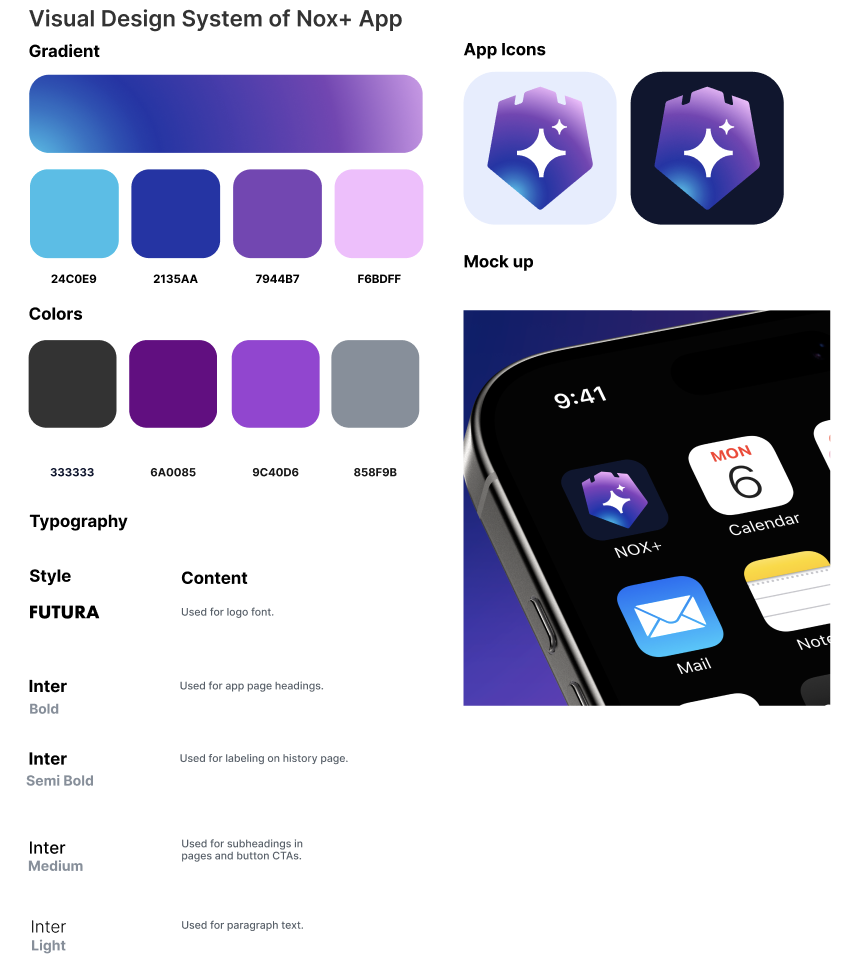
Design System
The design system features blue and purple tones to evoke safety and calm, with clear, legible fonts and formatting.
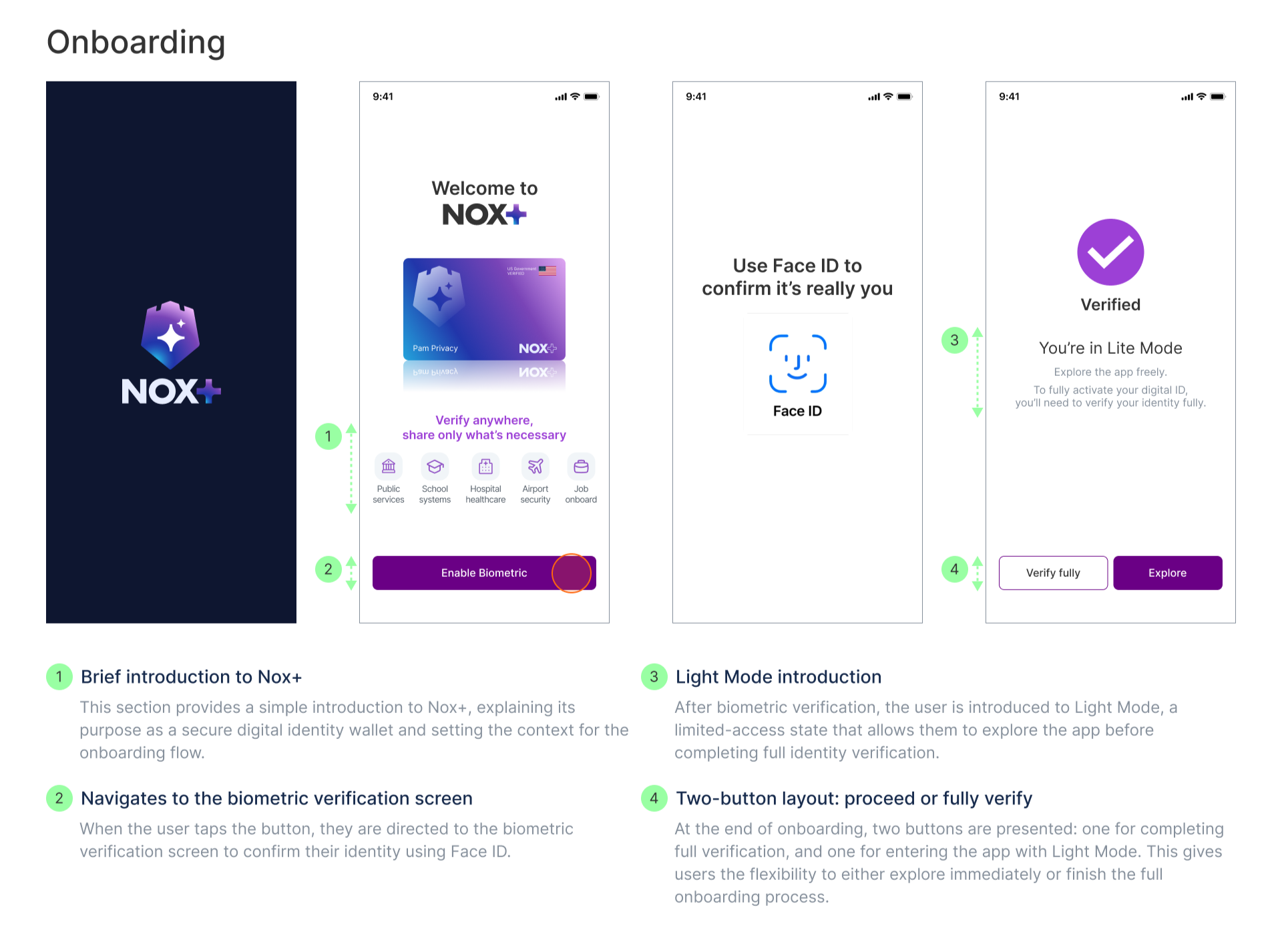
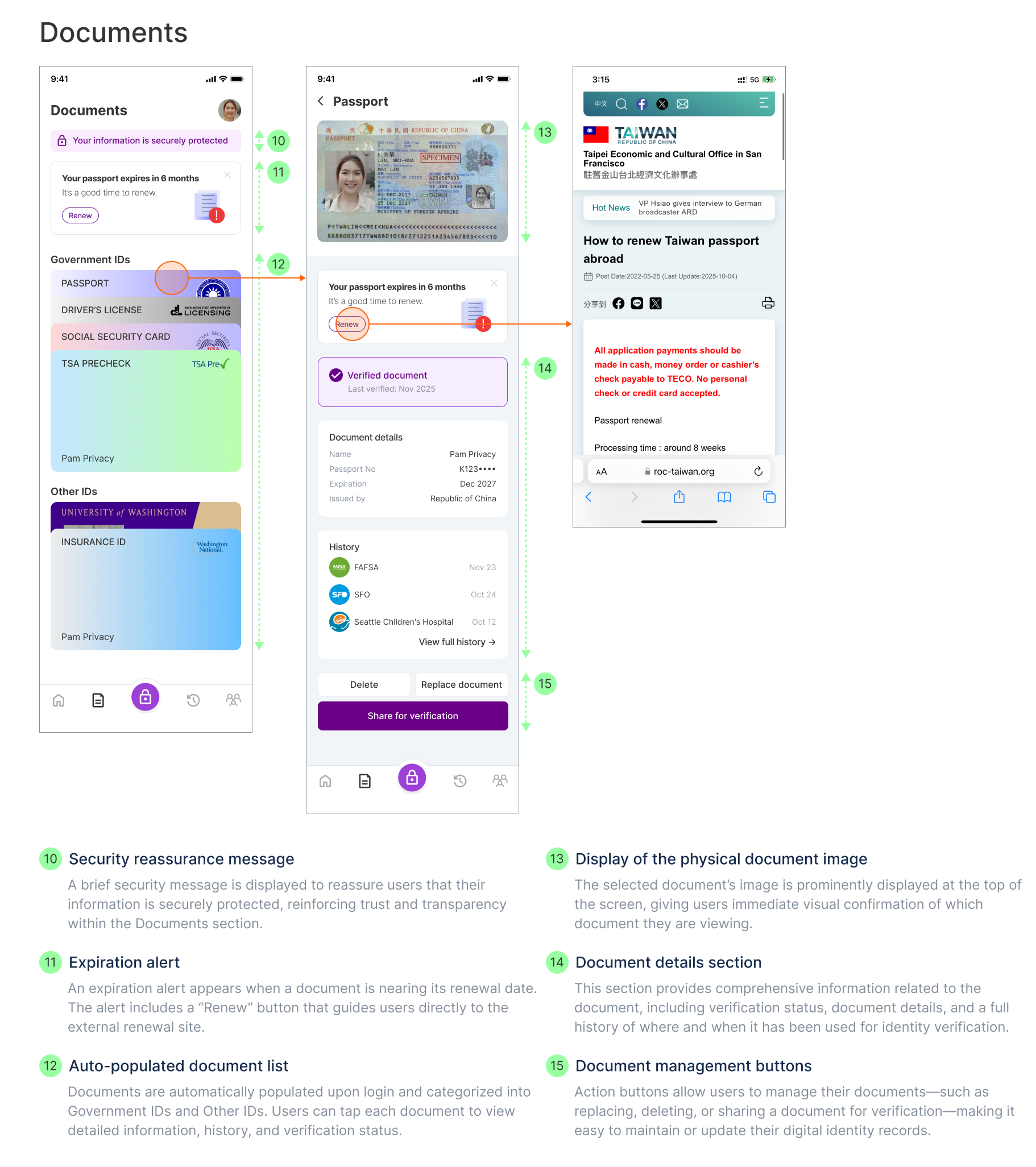
Completed Prototype
REFLECTION